
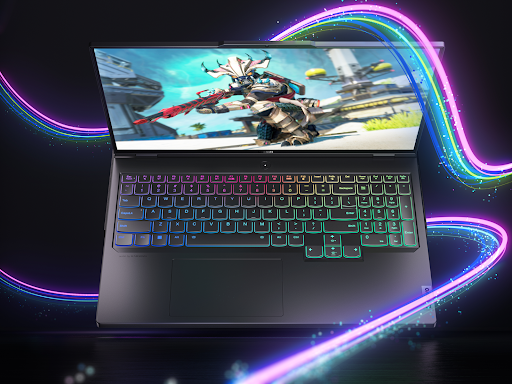
Modern gaming has reached a point where artificial intelligence does more than follow preset commands. AI computers now analyze your gameplay and adapt instantly to create better experiences. These systems work behind the scenes while you play. They track your decisions and measure your skill level. The technology responds to how you interact with the game world.
This creates a dynamic environment that feels alive and responsive. Real-time adjustments happen within milliseconds. Players rarely notice these changes happening. The AI works to keep you engaged and challenged appropriately. This advancement has transformed how we experience video games today.
Let’s talk in detail to understand better!
1. Dynamic Difficulty Scaling Based on Player Performance
AI monitors your performance constantly throughout each gaming session. An AI computer tracks metrics like accuracy rates and completion times and adjusts enemy behavior, resource availability, and challenge intensity in real time to maintain balanced, engaging gameplay.
When you breeze through challenges, the AI increases the difficulty level. Enemies become stronger and more aggressive in response. The reverse happens when you struggle repeatedly with the same section.
How Performance Metrics Drive Real-Time Changes
AI computers analyze multiple data points during gameplay:
- Success rates on combat encounters.
- Time taken to solve puzzles.
- Number of deaths in specific areas.
- Resources used versus resources available.
- Pattern recognition in player strategies.
The system makes micro-adjustments that feel natural and unforced. You stay in what developers call the “flow state,” where challenge meets ability. This keeps frustration low while maintaining excitement high.
With more than 1.86 billion PC gamers, AI PCs will surely give them an edge to enhance their skills to the next level.
2. Enemy Behavior Modification Through Pattern Recognition
Opponent AI studies your combat tactics and adjusts accordingly. The system learns which attacks you use most frequently. Enemies then adapt their defensive strategies to counter your preferences. This forces you to diversify your approach and think strategically.
Computer-controlled opponents analyze your movement patterns during fights. They predict where you will position yourself next.
- The AI adjusts enemy positioning to cut off escape routes.
- This creates more challenging and unpredictable encounters.
- Your opponents become smarter as you play longer.
- They exploit weaknesses in your defensive techniques. The adjustment happens so smoothly that you attribute it to better enemy design.
3. Resource Distribution and Item Placement Optimization
AI systems track your inventory usage patterns throughout gameplay. The AI computer notes which items you rely on most heavily. Resource spawns adjust based on your consumption rates. Running low on health items triggers increased spawn rates nearby.
Strategic Placement Based on Player Needs
The AI calculates optimal locations for resource placement:
- Ammunition appears before challenging combat sequences.
- Health packs spawn after difficult battles.
- Crafting materials increase when inventory runs low.
- Rare items appear based on exploration thoroughness.
- Currency drops scale with current purchasing needs.
4. Narrative Pacing and Story Sequence Timing
Game AI monitors your engagement with story elements carefully. The system tracks how much time you spend on side content. Main story missions trigger based on your current activity level. This prevents narrative overload when you want to explore freely.
The computer adjusts cutscene frequency based on your play patterns. Players who rush through content get condensed story delivery. Those who explore thoroughly receive expanded narrative sequences.
- The AI ensures story beats hit at emotionally appropriate moments.
- This creates better narrative flow and stronger player investment.
- Quest markers and objectives appear based on your current focus areas.
5. Audio and Visual Intensity Calibration
AI systems adjust sensory elements to match your gameplay intensity. Music tempo increases during high-stakes moments automatically. The volume of ambient sounds shifts based on situational awareness needs. Visual effects scale with action density on screen.
Combat sequences trigger dynamic soundtrack changes in real time:
- Bass frequencies intensify during boss encounters.
- Rhythm accelerates when multiple enemies appear.
- Quieter moments follow intense action sequences.
- Environmental audio highlights important gameplay elements.
- Voice line priority adjusts based on current objectives.
The computer prevents sensory overload by managing multiple audio layers. This keeps you immersed without overwhelming your processing capacity. Visual bloom and particle effects reduce when screen activity increases. The AI maintains clarity while preserving atmospheric quality.
6. Tutorial and Hint System Activation
Player assistance AI monitors your progress through game mechanics. The system detects when you repeatedly fail at specific tasks. Tutorial prompts appear only when the AI confirms you need help. This respects experienced players while supporting newcomers appropriately.
The computer tracks how long you spend in the menu systems. Extended time suggests confusion about game mechanics or controls.
- Contextual hints appear based on your interaction patterns.
- The AI never interrupts during successful gameplay sequences.
- Help systems activate only when necessary and remain unobtrusive otherwise.
- This creates a smoother learning curve without forced tutorials.
7. Network and Performance Optimization Adjustments
AI computers constantly monitor technical performance during gameplay. The system adjusts graphical settings to maintain stable frame rates. Resolution scaling happens dynamically when processing demand increases. Texture quality reduces temporarily during intensive sequences.
Technical Adjustments That Improve Experience
Performance optimization occurs across multiple parameters:
- Shadow quality decreases in crowded scenes
- Draw distance adjusts based on movement speed
- Particle effects simplify during combat
- Network prediction improves latency compensation
- Loading processes prioritize immediate gameplay needs
These adjustments happen faster than human perception can detect. You experience smooth gameplay without noticing technical compromises. The AI balances visual quality with performance demands constantly.
Conclusion
AI computers have fundamentally changed how games respond to players. These systems work invisibly to enhance your experience continuously. The technology ensures you stay engaged without artificial frustration. Games feel more alive and responsive because of these adaptations. AI computers process millions of data points while you play. They make split-second decisions that improve your enjoyment measurably.
As AI technology advances, these adjustments will become even more sophisticated. The line between scripted content and dynamic response continues to blur. Gaming experiences will only grow more personalized and engaging moving forward.